A major controversy is unfolding in Mexico after authorities arrested a former state attorney general over allegations that he allowed CIA personnel to participate in a drug raid without authorization from the Mexican federal government.
The case has sparked serious questions about national sovereignty, foreign intelligence operations, and the limits of cooperation between Mexico and the United States.
But what exactly happened during the controversial operation? And why has the arrest become a major national security issue?
Let’s take a closer look.
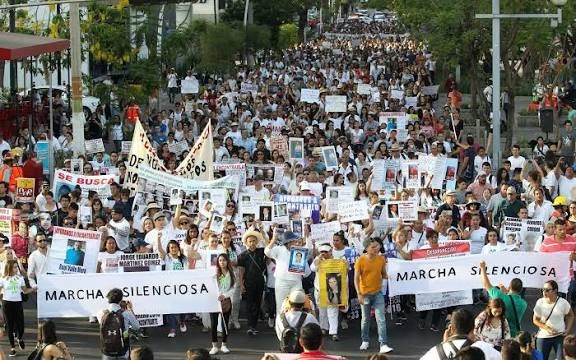
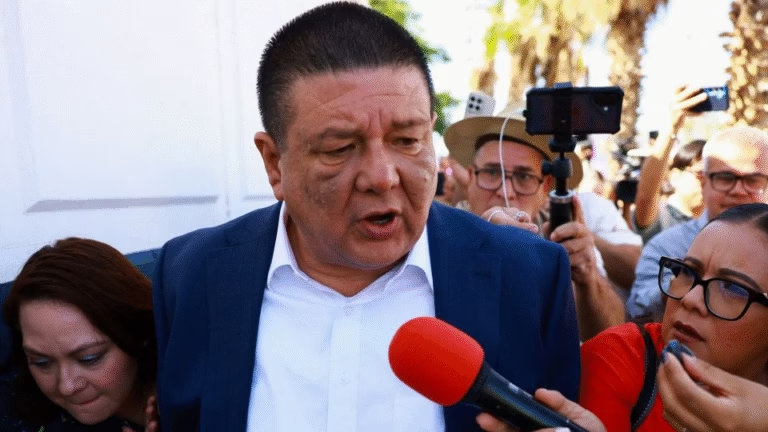
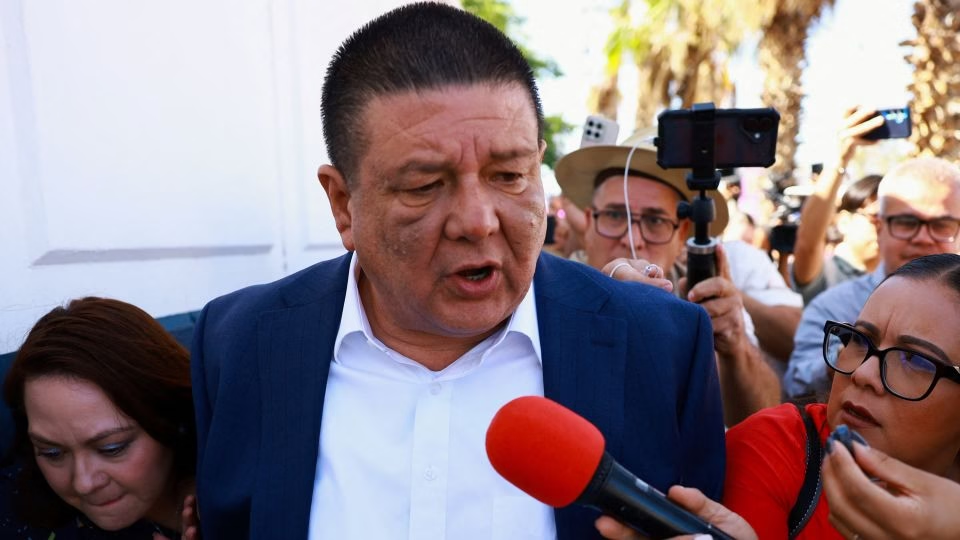
Mexican authorities have arrested César Jáuregui, the former attorney general of the northern state of Chihuahua, over his alleged role in allowing unauthorized American personnel to participate in an operation targeting a suspected illegal drug laboratory.
According to Mexican federal prosecutors, the operation took place in April in the state of Chihuahua. Investigators allege that foreign personnel, reportedly connected to the Central Intelligence Agency, participated without the legally required authorization from federal authorities.
The investigation has raised a fundamental question: who has the authority to conduct security operations on Mexican soil?
Under Mexico’s legal framework, certain national security responsibilities are reserved for federal authorities. Officials allege that the operation crossed those legal boundaries by allowing foreign personnel to take part without proper approval.
The controversy became even more serious after a deadly vehicle crash following the April operation.
Four people reportedly died in the crash, including two Mexican law enforcement officials and two American nationals. The incident brought renewed attention to the identities and roles of the Americans involved in the operation.
Authorities subsequently investigated whether the foreign personnel had been permitted to participate legally and whether the appropriate chain of command had been followed.
The investigation eventually led to the arrest of the former Chihuahua prosecutor.
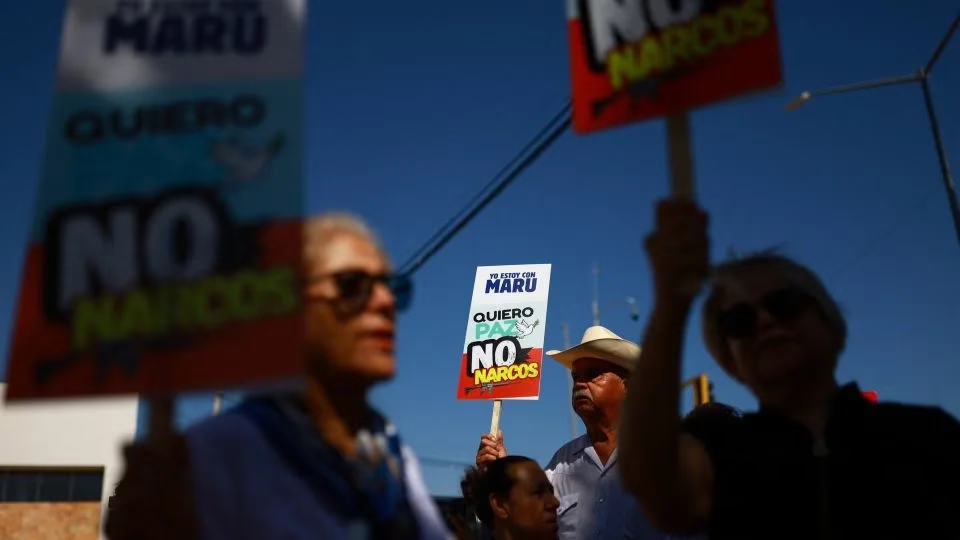
Mexican federal authorities have accused Jáuregui of potentially allowing foreign personnel to carry out activities that prosecutors say were reserved for Mexican federal forces.
Federal Attorney General Ernestina Godoy said the investigation involved more than 100 investigative actions. Prosecutors allege that the circumstances surrounding the operation may constitute offenses related to national security and treason.
Jáuregui is also facing state-level allegations concerning the exercise of public office and the conduct of public officials.
These remain allegations, and the legal process will determine whether the accusations are proven in court.
The case touches on one of the most sensitive issues in relations between Mexico and the United States: cooperation against drug cartels and organized crime.
Both countries have strong reasons to work together to combat drug trafficking. However, intelligence sharing and joint efforts against criminal organizations raise difficult questions about national authority, legal permission, and operational control.
Mexican President Claudia Sheinbaum has emphasized that cooperation with the United States must respect Mexico’s sovereignty and legal framework. Her administration has maintained that foreign agents cannot independently carry out operations on Mexican territory without the required authorization.
The arrest therefore represents more than a criminal investigation involving a former state official. It has also intensified debate over how far international security cooperation can go without violating national law.
The investigation is expected to focus on who authorized the operation, what role the American personnel played, whether federal authorities were properly informed, and whether any Mexican laws were violated.
The court proceedings will be crucial in determining the former prosecutor’s legal responsibility.
For now, the case remains a developing story, with major implications for Mexico’s internal security policies and its relationship with Washington.
An operation intended to target illegal drug production has now become the center of a major national security controversy.
Was this a case of unlawful cooperation, or will the courts uncover a more complicated picture of how the operation was organized?
The answers will depend on the evidence presented during the investigation and legal proceedings.
Stay tuned for further updates on this developing international story.